Reality,Truth,and the Space That Lies Between Us
Melding personal Reality and Shared Truth

It’s getting harder to name a shared Truth.
We live inside personal realities shaped by experience, belief, memory, and emotion. Each of us moves through the world carrying a story that feels undeniably true because it is ours. And yet, what we often call truth today feels small—fragmented, defended, and rarely shared.
I’ve been sitting with a distinction that feels important: the difference between reality and Truth.
Reality is personal.
Truth—with a capital T—is something else entirely.
Truth is the one written in the stars the day we were born. The one that lives inside us as a seed, carrying both destiny and invitation. It seeks the right conditions to grow—not into who we admire or envy or imagine we should be—but into who we are meant to be. This Truth is not something we manufacture. It’s something we remember.
Reality, on the other hand, is how that Truth meets the world.
A few weeks ago in New York City, that distinction came alive for me.
We visited two exhibits—Surreal Sixties and When Objects Speak. Both disrupted the idea that reality is fixed or neutral. They played with perception, symbolism, and meaning, suggesting that what we see is never the whole story. Objects carry memory. Images carry intention. Reality bends under attention.
Then we attended a live taping of The Moth, centered on paranormal or out-of-the-ordinary experiences. The stories ranged widely: a person seeing a child who wasn’t there after their car stalled; a storytelling program inside a prison where one man shut down entirely, only to be slowly welcomed back as the group offered him blessings, one by one. As the storyteller described it, something larger than any one person entered the room. A presence. A power. A field of care.
Each story was true for the person telling it.
Each described a reality that exists outside what we usually label as normal, comfortable, or safe to discuss. And yet, listening, it was hard to dismiss them as fantasy. Something real was happening—even if it didn’t fit neatly into explanation.
That’s where my questions began to deepen.
What is the nature of Truth?
Is it something we can possess, or only approach?
Is it singular, or layered?
Is it threatened by difference—or revealed through it?
It seems we are living with two versions of truth right now: yours and mine. We cling to them tightly, afraid that loosening our grip will mean losing ourselves. But what if clinging is the very thing that keeps us from something larger?
What if Truth with a capital T isn’t diminished by questioning—but clarified by it?

Perhaps Truth is not found in defending our thoughts, but in examining them. Not in insisting on certainty, but in allowing wonder. Not in narrowing our view, but in asking better, braver questions.
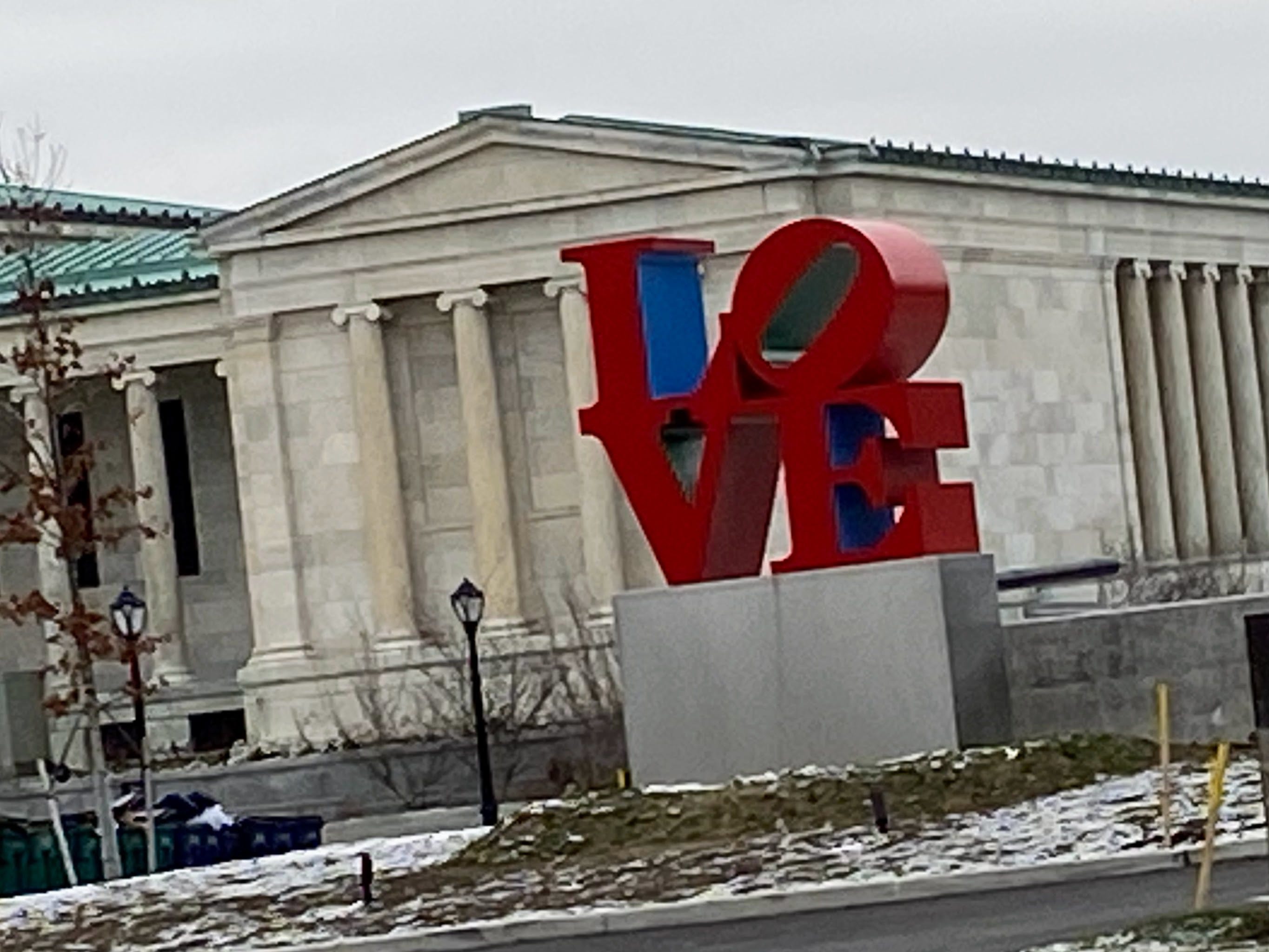
What if Truth is aligned with Love?
Not sentimental love. Not agreement. But the kind of Love that makes room. The kind that listens without needing to convert. The kind that recognizes that while our realities differ, our longing for meaning, connection, and peace is shared.
Maybe Truth is bigger than we have imagined.
Maybe it doesn’t live at the edges of what we can explain, but at the center of what we are willing to hold together. Maybe it asks us not to abandon our lived experience—but to place it gently alongside others, trusting that something wiser can emerge between us.
If we could do that—question our thoughts, soften our certainty, and search not for being right but for being aligned—perhaps we would find a Truth that doesn’t divide us.
Perhaps we would find one that brings us together.
One that is rooted in Love.